architecting full stack quantum computing systems in the NISQ era and beyond
Journal Club: Experiments & Phenomenology / 30 Oct 2023, 11:00 Tehran Time
| School of Particles and Accelerators Journal Club: Experiments & Phenomenology / Virtual format |
| Date: Monday, Oct 30, 2023 / دوشنبه، 8 آبان 1402 Time: 11:00 AM - 12:00 PM (Tehran time) |
| Speaker: Ms. Hedieh Pouyanrad Affiliation: Amirkabir University of Technology |
| Title: Laser-IORT: a laser-driven source of relativistic electrons suitable for Intra-Operative Radiation Therapy of tumors Title in Persian: لیزر- رادیوتراپی حین جراحی: استفاده از باریکه لیزر به عنوان چشمه باریکه الکترون مناسب برای رادیوتراپی حین عمل جراحی Abstract: In a recent experiment a high efficiency regime of stable electron acceleration to kinetic energies ranging from 10 to 40 MeV has been achieved. The main parameters of the electron bunches are comparable with those of bunches provided by commercial Radio-Frequency based Linacs currently used in Hospitals for Intraoperative Radiation Therapy(IORT). IORT is an emerging technique applied in operating theaters during the surgical treatment of tumors. Performances and structure of a potential laser-driven Hospital accelerator are compared in detail with the ones of several commercial devices. A number of possible advantages of the laser based technique are also discussed. Based on: https://doi.org/10.1063/1. |
Link to Join Virtually: https://meet.google.com/fnv- |
Oscillator Ising Machines, A Framework Of Analog Computing Technology: A Crash Course

IOMP Webinar: Radiopharmaceutical Thrapy (RPT)
IOMP Webinar: Radiopharmaceutical Thrapy (RPT)
Tuesday, 25th October 2023 at 12 pm GMT; Duration 1 hour
To check the corresponding time in your country please check this link:
https://greenwichmeantime.com/
Organizer: M Mahesh
Moderator: M Mahesh
Speakers: George Sgouros and Ana Kiess
Topic 1: Imaging and Dosimetry in Radiopharmaceutical therapy
George Sgouros, PhD
Dr. Sgouros is Professor and Director of the Radiological Physics Division in the Department of Radiology at Johns Hopkins University, School of Medicine. He received his PhD from Cornell University, Biophysics Dept, completed his post-doc at Memorial Hospital Medical Physics Dept. He is author on more than 200 peer-reviewed articles, several book chapters and review articles. He is recipient of the SNMMI Saul Hertz Award for outstanding achievements and contributions in radionuclide therapy and a fellow of the American Association of Physicists in Medicine (AAPM). He is a member of the Medical Internal Radionuclide Dose (MIRD) Committee of the Society of Nuclear Medicine and Molecular Imaging (SNMMI), which he chaired 2008-2019. He has chaired a Dosimetry & Radiobiology Panel at a DOE alpha-emitters workshop and also an ICRU report committee for ICRU guidance document No. 96. Dr. Sgouros is a former chair (2015-2017) of the NIH study section on Radiation Therapeutics and Biology (RTB). Dr. Sgouros is also founder and principal of Rapid, a dosimetry and imaging services and software products start-up in support of radiopharmaceutical therapy.
Abstract
Even after they have made it to Phase I clinical trial investigation, 97% of new cancer drugs fail. The majority of these drugs are chosen based on their ability to inhibit cell signaling pathways responsible for maintaining a cancer phenotype. Although this approach has led to dramatic improvements in treatment efficacy for certain cancers, this approach to cancer therapy is more complex than initially appreciated. Radiopharmaceutical therapy (RPT) involves the targeted delivery of radiation to tumor cells or to the tumor microenvironment. Since the radionuclides used in RPT also emit photons, nuclear medicine imaging may be used to measure the pharmacokinetics of the therapeutic agent and estimate tumor and normal organ absorbed doses in individual patients to implement an individualized (precision medicine) treatment planning approach to RPT delivery. This unique feature of RPT, along with its ability to delivery highly potent alpha-particle radiation to targeted cells, is at the heart of what distinguishes RPT compared to other cancer treatments for widespread metastases.
Learning Objectives:
- Understand the mechanism of Radiopharmaceutical therapy.
- Compare and contrast RPT with other cancer therapy modalities.
- Understand the distinction between RPT and Theranostics.
Topic 2: Clinical Radiopharmaceutical Therapy, Dose-Response and Future Directions

Ana Kiess, MD, PhD
Dr. Ana Kiess’s clinical focus is on the treatment of prostate cancer and head and neck cancers with radiopharmaceutical therapies and external beam radiotherapy. Her research concentrates on the integration of dosimetry, dose-response analyses, and new radiopharmaceutical therapies into the clinic.
Education:
MD; Duke University School of Medicine (2008)
PhD; Biomedical Engineering; Duke University (2008)
Residency:
Radiation Oncology; Memorial Sloan-Kettering Cancer Center (2013)
Recent Publications:
- Wang J, Kiess AP. PSMA-targeted therapy for non-prostate cancers. Front Oncol. 2023 Aug. 13:1220586. doi: 10.3389/fonc.2023.1220586.
- Kiess AP, Hobbs RF, Bednarz B, Knox SJ, Meredith R, Escorcia FE. ASTRO’s framework for radiopharmaceutical therapy curriculum development for trainees. Int J Radiat Oncol Biol Phys. 2022; 113(4):719-726.
- Jia AY, Kashani R, Zaorsky NG, Baumann BC, Michalski J, Zoberi JE, Kiess AP, Spratt DE. Lutetium-177 Prostate-Specific Membrane Antigen Therapy: A Practical Review. Pract Radiat Oncol. 2022; 12(4): 294-299.
- Jia AY, Kiess AP, Li Q, Antonarakis ES. Radiotheranostics in advanced prostate cancer: Current and future directions. Prostate Cancer and Prostatic Diseases. 2023, April: 1-11.
Abstract
Radiopharmaceuticals are rapidly expanding in clinical use and development for prostate cancer and many other tumor types. As in other radiation therapies, there is a dose-response relationship for both tumor and normal tissues, with increasing responses or toxicities at higher absorbed doses. In this webinar, we will discuss these concepts in relation to currently approved radiopharmaceutical therapies (RPTs) and future directions of RPTs. We will also review clinical indications and practical use of currently approved RPTs including [177Lu] Lu-PSMA-617, [177Lu] Lu-DOTATATE, and [223Ra] RaCl2.
Learning Objectives:
- Understand clinical indications and practical use of currently approved radiopharmaceutical therapies
- Discuss concepts of radiation dose and response of tumors and normal organ toxicities
- Explore future directions of clinical radiopharmaceutical therapies.
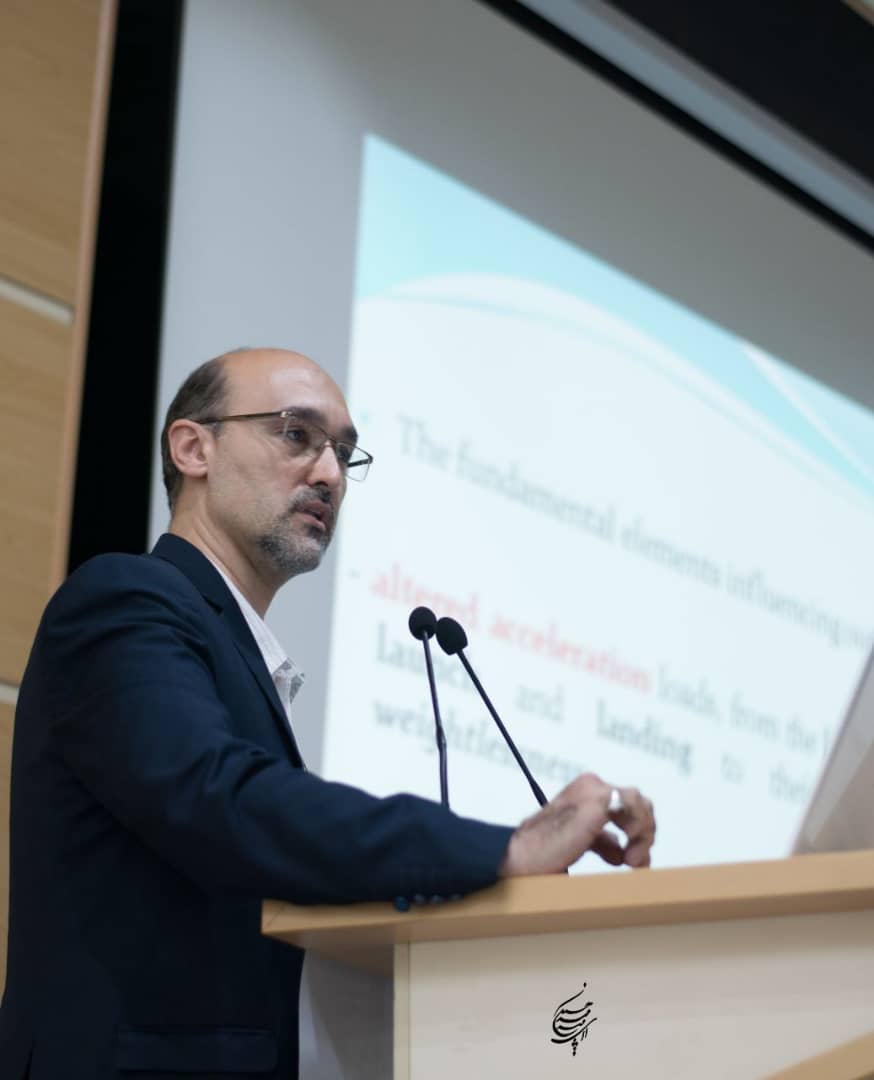
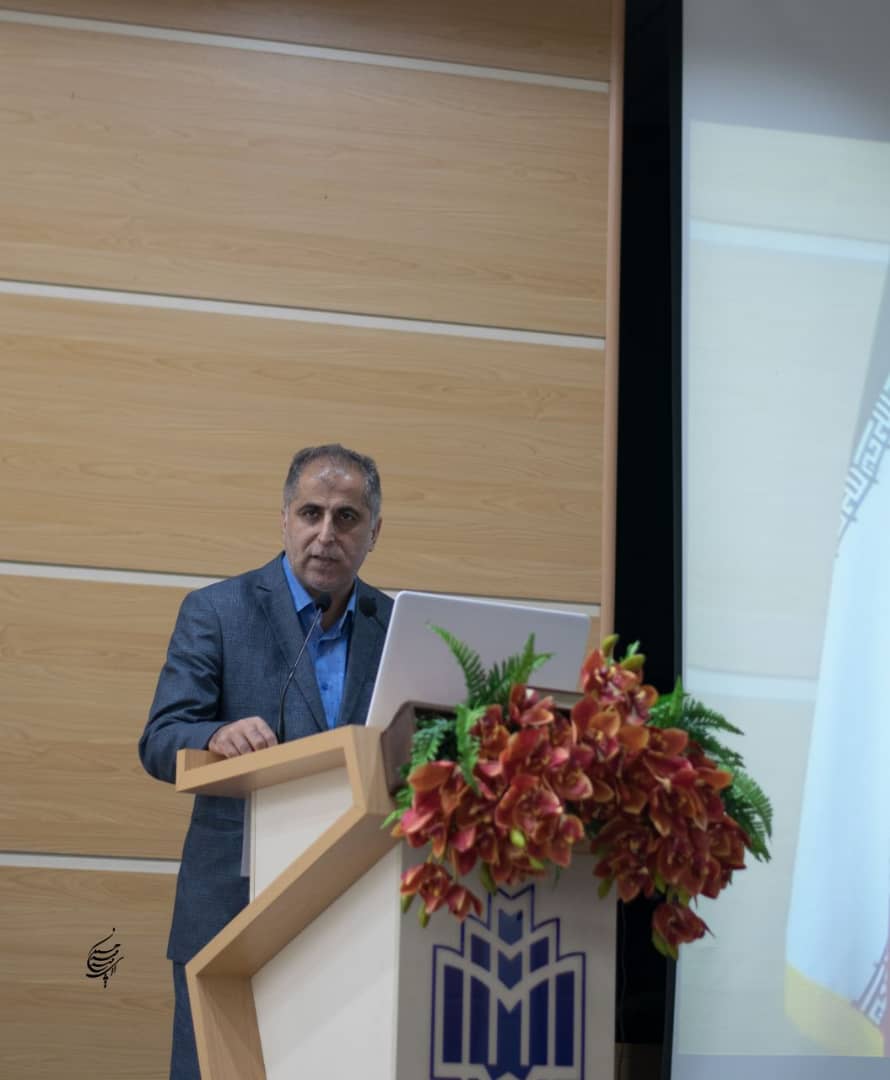
Speech on the topic of Research in Biological sciences will dominate the remaining decades of his centry
Speaker: Prof. Seyed Ehtesham Hasanian
Hosted: K. N. Toosi University of technology In coopration with Tehran University, Alzahra University, Kharazmi University and Iranian Biotechnology society
Date: Saturday 30 Sep. 2023
Place: Mollasadra paradise

دومین کنفرانس بینالمللی دانشجویان علوم پایه ایران
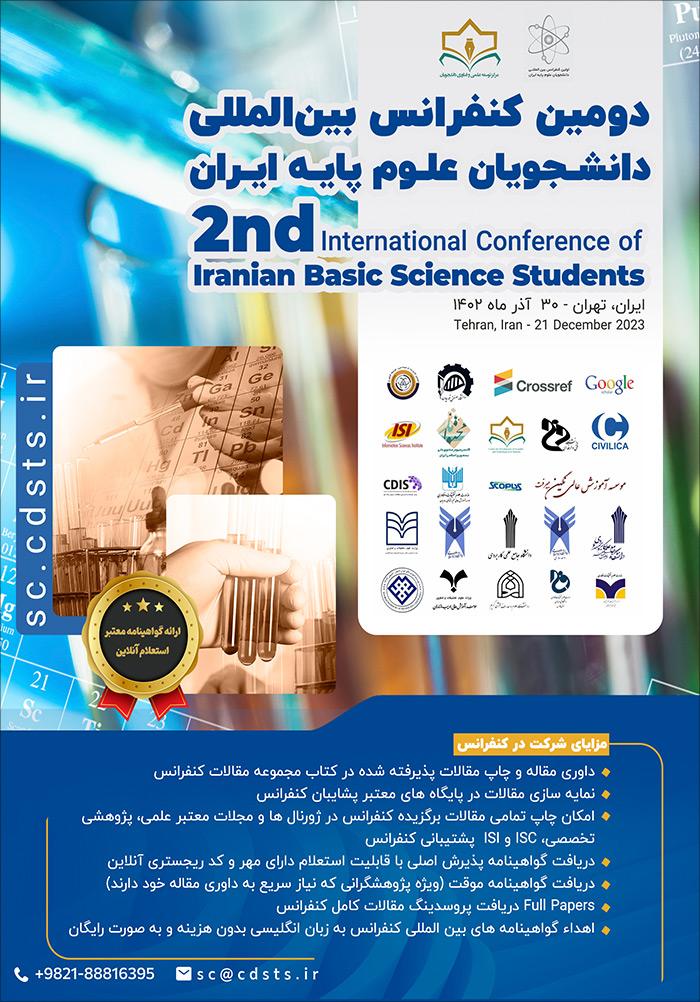
محور های همایش
دومین کنفرانس بینالمللی دانشجویان علوم پایه ایران
محورهای کنفرانس:
- ریاضی:
- آنالیز
- جبر
- معادلات دیفرانسیل معمولی و جزئی
- آنالیز عددی
- تحقیق در عملیات
- روش های عددی در جبر خطی
- ریاضیات فازی
- آمار و احتمالات
- روش های آماری
- و کلیه موضوعات مرتبط با ریاضی
- فیزیک:
- فیزیک جامد
- نانو فیزیک
- ابر رسانا
- مواد
- بلورها
- فیزیک اتمی
- پلاسما
- لیزر
- لایه های نازک
- اپتیک
- فیزیک محض
- مباحث نظری در زمینه های کوانتوم
- اطلاعات کوانتومی
- فیزیک اتمی
- فیزیک حالت جامد
- ریاضی فیزیک
- فیزیک هسته ای
- شبیه سازی
- و کلیه موضوعات مرتبط با فیزیک
- شیمی:
- شیمی معدنی
- شیمی تجزیه
- شیمی فیزیک
- شیمی آلی
- نانوشیمی
- شیمی هسته ای
- شیمی محاسباتی
- شیمی کاربردی
- شیمی آلی-فلزی
- شیمی کاتالیست
- بیوشیمی معدنی
- تصفیه آب
- بیوشیمی
- شیمی محیط زیست
- فیتوشیمی
- شیمی پلیمر
- شیمی صنایع غذایی
- شیمی رنگ، سرامیک، چسب و ...
- ژئو شیمی
- نانوکامپوزیت ها و پلیمرها
- سنتز مواد آلی: از آزمایشگاه تا صنعت
- شیمی سبز و تصفیه آب و پساب
- نانو شیمی و دارو رسانی
- کاتالیست ها و نانو کاتالیست ها: سنتز و کاربردها
- رنگ، چوب و چرم
- خودرو، دریا و هوا و فضا
- دارویی، آرایشی و بهداشتی
- مواد غذایی، گیاهان دارویی و کشاورزی
- نفت، گاز و پتروشیمی
- الکتروشیمی صنعتی و خوردگی
- اسانس، فیتوشیمی، استخراج و جداسازی
- انرژی های نو و تجدید پذیر
- مدل سازی، شبیه سازی و استاندارسازی
- زیستشناسی گیاهی:
- فیزیولوژی گیاهی، سیستماتیک و اکولوژی گیاهی، سلولی و تکوینی گیاهی
- زیستشناسی جانوری:
- فیزیولوژی جانوری، بیوسیستماتیک جانوری و اکولوژی جانوری، بافتشناسی
- زیستشناسی سلولی و ملکولی:
- ژنتیک
- بیوشیمی
- بیوفیزیک و میکروبیولوژی
- زیستشناسی کاربردی:
- بیوتوریسم
- زیست شناسی و توسعه تجارت ملی
- زیست شناسی و کارآفرینی
- حفاظت از تنوع زیستی و حفظ محیط زیست
- کارکردهای تنوع زیستی با محوریت جنگلهای هیرکانی، اتنوبوتانی و…
- فناوریهای نوین در زیست شناسی:
- بیوتکنولوژی
- نانو بیوتکنولوژی
- بیوتکنولوژی پزشکی
- بیوانفورماتیک و…
IOMP Webinar: Physics and Technology for Cancer Care – Meet the IOMP Corporate Members
IOMP Webinar: Physics and Technology for cancer care – Meet the IOMP Corporate Members
Tuesday, 12th September 2023 at 12 pm GMT; Duration 1 hour
To check the corresponding time in your country please check this link:
https://greenwichmeantime.com/
Organizer: Magdalena Stoeva
Moderator: Ibrahim Duhaini
Speakers: Axel Hoffmann (PTW) & Alexander Pegram (RadFormation)
Topic 1: PTW and VERIQA RT EPID 3D as the Approach to EPID Dosimetry
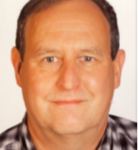
Axel Hoffmann
Sales Director, PTW, Freiburg, Germany
Education:
09/1969 – 07/1977 Polytecnic Secondary School, Basic Education in Lauta, Germany
09/1977 – 07/1981 Extended Secondary school, Hoyerswerda, Germany
10/1984– 02/1989 Ilmenau Technical University, Ilmenau, Germany. Technical and Biomedical Cybernetics; Biomedical Engineering; Master of Science.
Professional:
02/1989 – 02/1991 National Board for Atomic Safety and Radiation Protection (SAAS), Berlin, Germany. Radiation Measurement in Health Physics; Film Dosimetry.
03/1991 – 08/2013 PTW, Freiburg, Germany, Area Sales Manager (Eastern Europe, Asia, Australia)
09/2013 – Present PTW, Freiburg, Germany, Sales Director, Sales Operation
Abstract
PTW is a world-wide leader in dosimetry. We develop, manufacture, and distribute measurement equipment and software for quality assurance as performed in radiotherapy, diagnostic radiology, and metrology.
PTW is over 100 years old and represents a high level of expertise in our business fields.
VERIQA RT EPID 3D is a new PTW software product for EPID patient treatment plan and delivery verification (pre-treatment and in-vivo). The result is a dose distribution in patient anatomy (based on the back-projection algorithm developed by the Netherlands Cancer Institute). The combination of a Monte Carlo algorithm and the EPID images provide a workflow-efficient and highly accurate dose reconstruction.
The pre-treatment verification does not require a phantom (measurement “in air”). Neither a phantom setup nor a re-planning is necessary.
Topic 2: Optimizing Cancer Care with Efficient QA
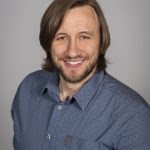
Alexander Pegram
Alexander “Alex” Pegram, DMP, DABR, received his Professional Doctorate in Medical Physics and Master of Science in Medical Physics from Vanderbilt University. His research focused on risk analysis using System Theoretic Procedures (STPA). He also attained certification in Therapeutic Medical Physics from the American Board of Radiology.
At Vanderbilt, Alex was the Chief Medical Physics Resident, before moving to Sanford Health. As the Chief Physicist there, Alex managed a team across two sites and oversaw the purchase, installation, and commissioning of new equipment, including a TrueBeam. In 2020 Alex started at Radformation, where he is now the Product Manager of RadMachine, the company’s cloud-based Radiation Therapy Machine QA Platform. As an affiliate of AAPM, he is part of a working group on “Ask the Expert.”
Abstract
Ensuring the accuracy and reliability of radiation therapy machines is paramount for patient safety and effective cancer treatment in medical physics. In “Optimizing Cancer Care with Efficient QA,” Alex Pegram, DMP, DABR, delves into RadMachine, an innovative solution for Machine Quality Assurance offered by Radformation. RadMachine streamlines the QA process and enhances treatment precision, enabling physicists to perform more efficient, high-quality QA in less time.
The presentation discusses the clinical and scientific aspects of RadMachine, illustrating its seamless integration with data from therapy machines, imaging devices, and ancillary equipment, and more into a consolidated platform. A sophisticated combination of robust automation and a streamlined, cloud-based platform enables RadMachine to efficiently verify and validate machine parameters, minimizing human errors to maximize patient-centric care.
By optimizing resource allocation and time management, the highest standards of safety and quality for cancer care are met. Coupled with additional solutions for workflow automation from start to finish, this presentation will provide insights into the transformative potential of physics-driven technology in delivering exceptional patient care.
برگزاری وبینار مشترک پایگاه استنادی علوم جهان اسلام و سازمان همکاری اقتصادی هشت کشور درحال توسعه اسلامی ( erp )
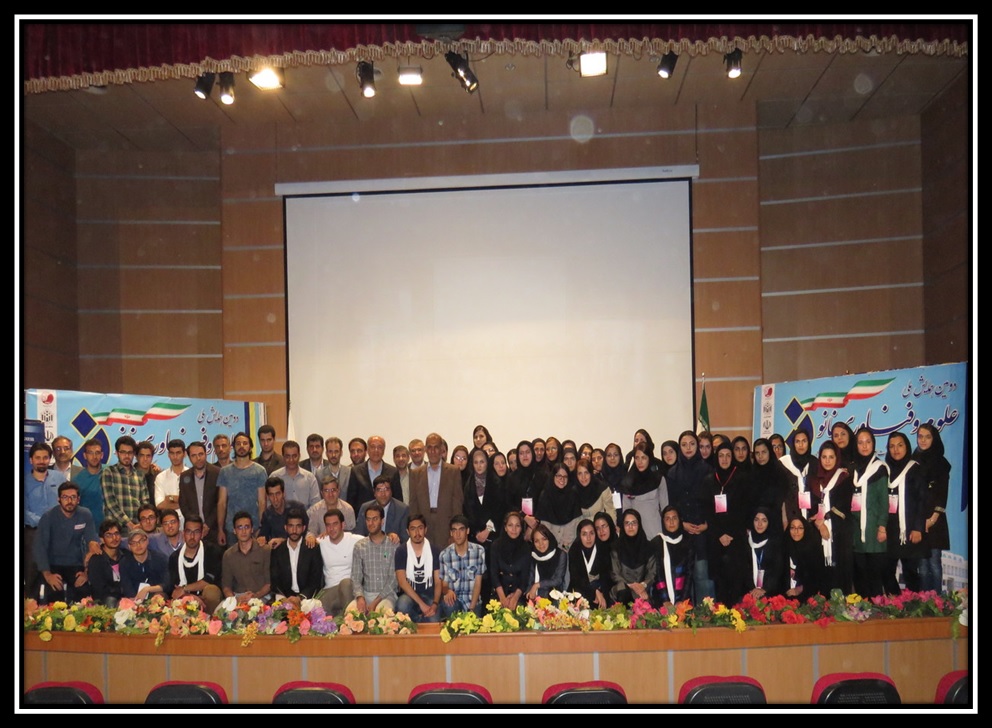
دومین همایش ملی علوم و فناوری نانو- ۱۳۹۴
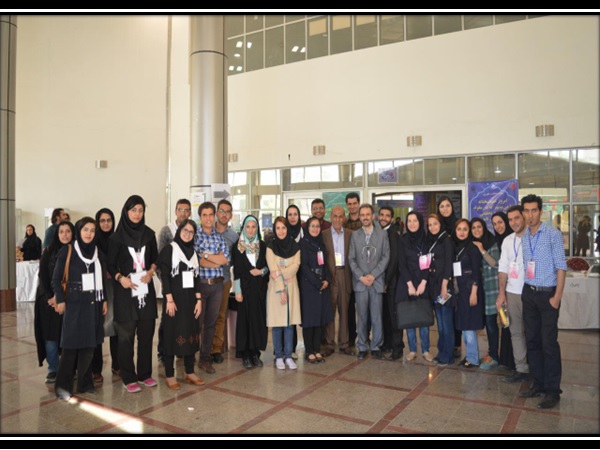
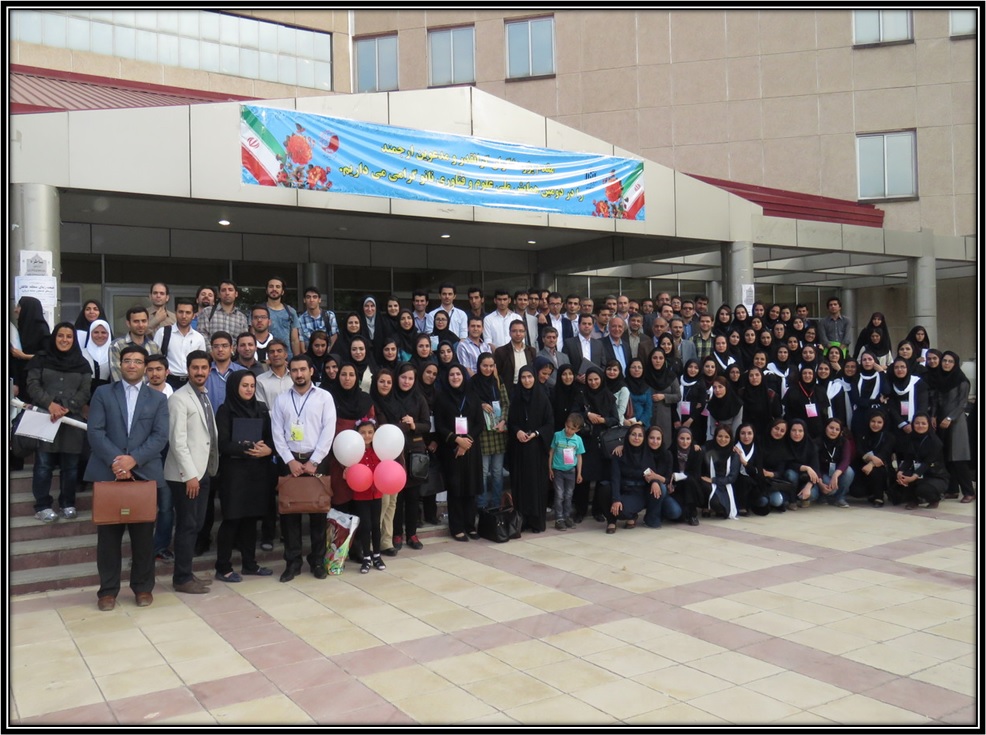
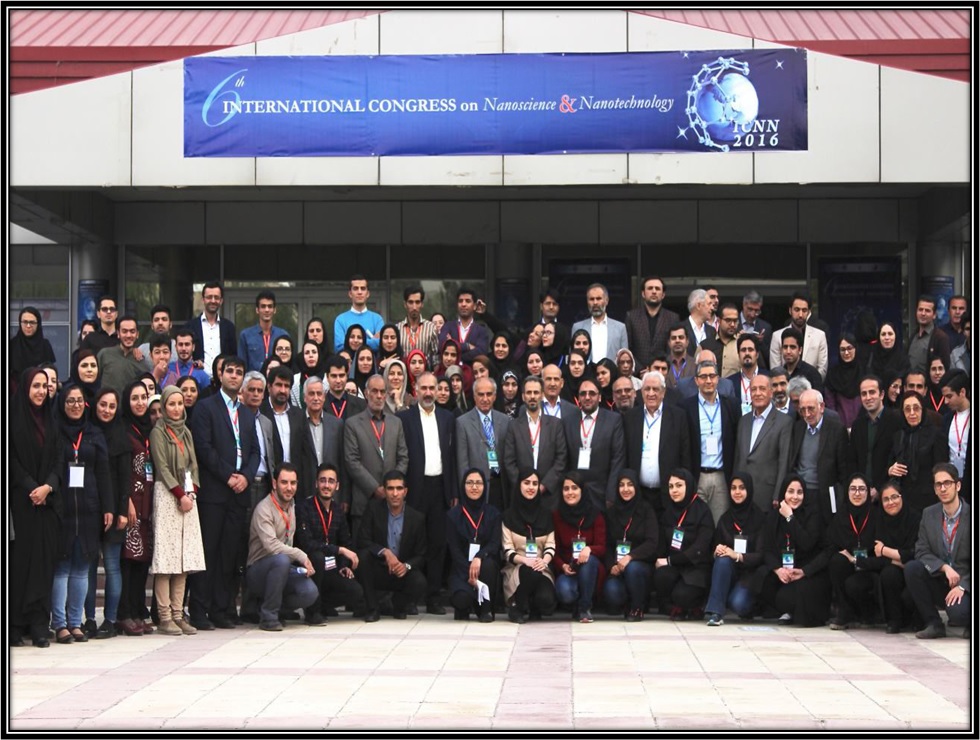
ششمین کنگره بین المللی علوم و فناوری نانو ICNN۲۰۱۶


.jpg)